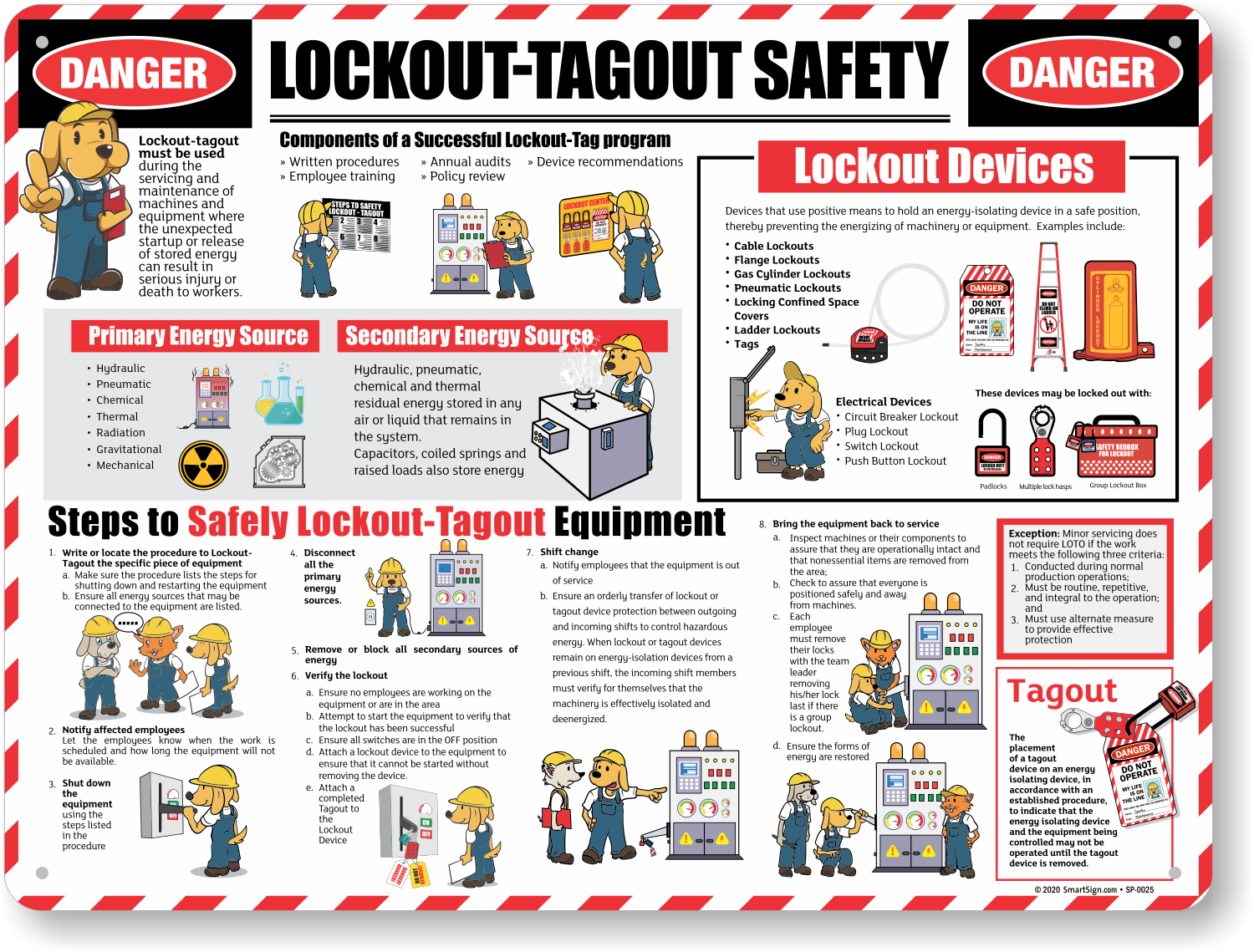
Workers are injured every year not because of faulty equipment—but because of skipped safety steps. One of the most preventable causes? Failure to properly de-energize machinery during maintenance. Lockout tagout (LOTO) safety training videos exist to stop these incidents before they start. These aren’t just compliance checkboxes. They’re frontline defenses that translate complex procedures into clear, visual instruction—reducing risk, reinforcing accountability, and saving lives.
A well-designed LOTO training video doesn’t just show what to do—it explains why it matters and how to do it correctly under real conditions. Whether you're managing a manufacturing plant, a maintenance crew, or a distribution center, visual learning is proven to increase retention and compliance. This is why integrated training videos have become central to modern safety programs.
Let’s break down what makes a high-impact lockout tagout safety training video—and how to use them effectively.
Why Visual Training Outperforms Written Procedures
Written safety manuals are essential, but they’re often outdated, buried in binders, or misunderstood. A worker glancing at a 50-page manual before servicing a conveyor belt is unlikely to recall every LOTO step under pressure. That’s where video training steps in.
Studies show that people retain 65% of visual information compared to just 10% of written content after three days. In high-risk environments, that difference isn’t just educational—it’s operational. A 10-minute LOTO safety video can:
- Demonstrate correct lock application order
- Show real-life tagging examples
- Highlight common mistakes—like assuming a machine is off when it’s only paused
- Clarify employee vs. authorized worker responsibilities
For example, a maintenance technician at a packaging plant once bypassed lockout because he believed the machine’s “off” button was sufficient. A training video showing the residual energy in a hydraulic press—complete with slow-motion animation of unexpected startup—changed his understanding instantly. That’s the power of visual reinforcement.
Key Elements of an Effective Lockout Tagout Training Video
Not all LOTO videos are created equal. Generic stock footage with voiceover won’t cut it. High-impact training content includes these non-negotiable elements:
- Real workplace footage: Use actual machinery from your facility or industry-specific simulations. Workers need to see their environment reflected.
- Step-by-step breakdown: Show the full LOTO sequence—from shutdown to isolation, lock application, verification, and release.
- Clear role definitions: Distinguish between authorized employees (who perform LOTO) and affected employees (who operate or use equipment).
- Hazard identification: Point out stored energy sources—electrical, pneumatic, hydraulic, thermal, chemical, or gravitational.
- Common violations: Illustrate mistakes like using personal locks improperly, failing to test for zero energy, or removing someone else’s lock.
- Verification process: Emphasize the “try to start” test—critical for confirming isolation.
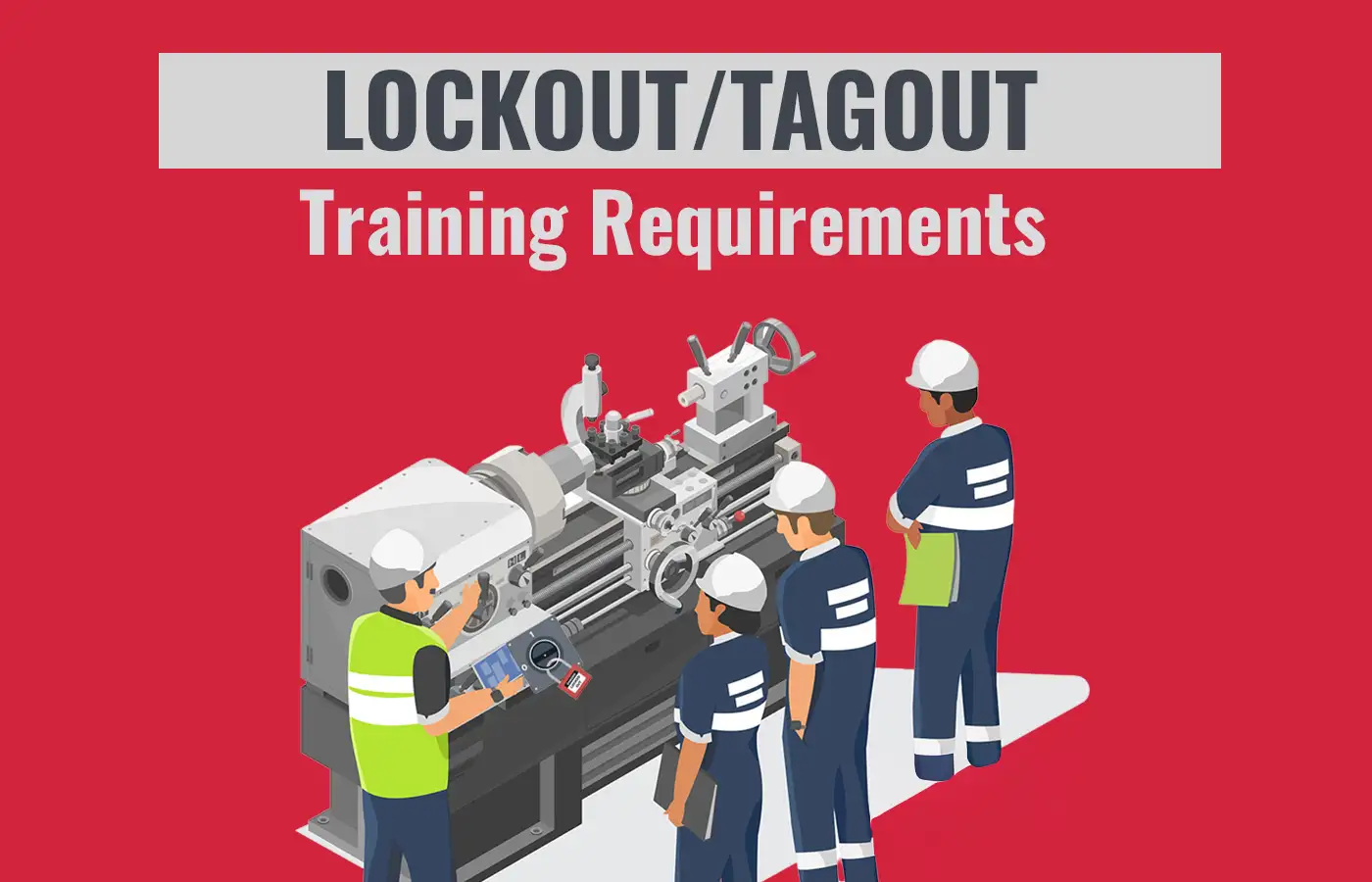
A top-tier video doesn’t just instruct—it anticipates behavior. One industrial facility reduced LOTO errors by 72% after introducing a training video that included a scene where a worker nearly re-energized a locked machine, stopped only by a tag reading “DO NOT OPERATE – J. SMITH, MAINTENANCE.”
When to Use a LOTO Training Video
Timing and context determine impact. Using a LOTO video only during annual refresher training misses critical opportunities. Integrate videos at these key moments:
- New hire orientation: Introduce LOTO principles before exposure to machinery.
- Equipment upgrades or new installations: Tailor a short video segment showing LOTO points on the new machine.
- Post-incident review: After a near-miss or violation, retrain with video to reinforce consequences.
- Contractor onboarding: Ensure third-party workers see your specific LOTO protocols before starting work.
- Refresher modules: Use 5-minute video clips monthly to reinforce key points without overwhelming schedules.
For instance, a food processing plant began running 3-minute LOTO “safety shorts” on breakroom screens each week. Over six months, observed compliance increased from 68% to 94%, proving that frequency and visibility matter.
Building a Custom LOTO Video vs. Using Off-the-Shelf Content
You have two paths: buy a pre-made training video or create a custom one. Each has trade-offs.
Off-the-shelf videos from safety providers are cost-effective and OSHA-aligned. They cover general principles well and often come with quizzes and certification tracking. However, they lack specificity. A one-size-fits-all video won’t show your facility’s unique energy control points, lock stations, or machine models.
Custom videos, filmed on-site, reflect your exact processes. They can highlight specific hazards, like a high-pressure steam line in your boiler room or a robotic arm with multiple disconnects. Employees recognize their workspace, making the training feel immediate and relevant.
A hybrid approach often works best: use a high-quality general video as a foundation, then add custom segments showing site-specific procedures. One automotive supplier did exactly this—using a purchased video for core concepts, then tacking on a 4-minute clip of their mechanic demonstrating LOTO on a CNC press. The result? A 41% drop in audit non-conformances.
Top 5 Lockout Tagout Training Video Providers
If you’re sourcing external content, choose wisely. Here are five reputable providers known for effective, compliant LOTO training videos:
| Provider | Key Features | Best For |
|---|---|---|
| National Safety Council (NSC) | OSHA-aligned, modular content, quizzes, multilingual options | Large organizations needing scalable training |
| PureSafety (by Vector Solutions) | Interactive modules, LMS integration, real-world scenarios | Companies with digital training platforms |
| J. J. Keller & Associates | Industry-specific videos, printable checklists, supervisor guides | Manufacturing, transportation, warehousing |
| Safetytek | Custom video production, on-site filming, bilingual delivery | Facilities needing site-specific content |
| Creative Safety Supply | Affordable packages, animated explainers, quick videos | Small to mid-sized businesses on a budget |
Each offers downloadable certificates and tracking tools—critical for audit readiness. But don’t just buy and distribute. Assign supervisors to lead discussions after viewing. Ask: “Where would you place the lock on this machine?” That transforms passive watching into active learning.
Common Mistakes in LOTO Video Training
Even well-produced videos fail when implementation falters. Avoid these pitfalls:
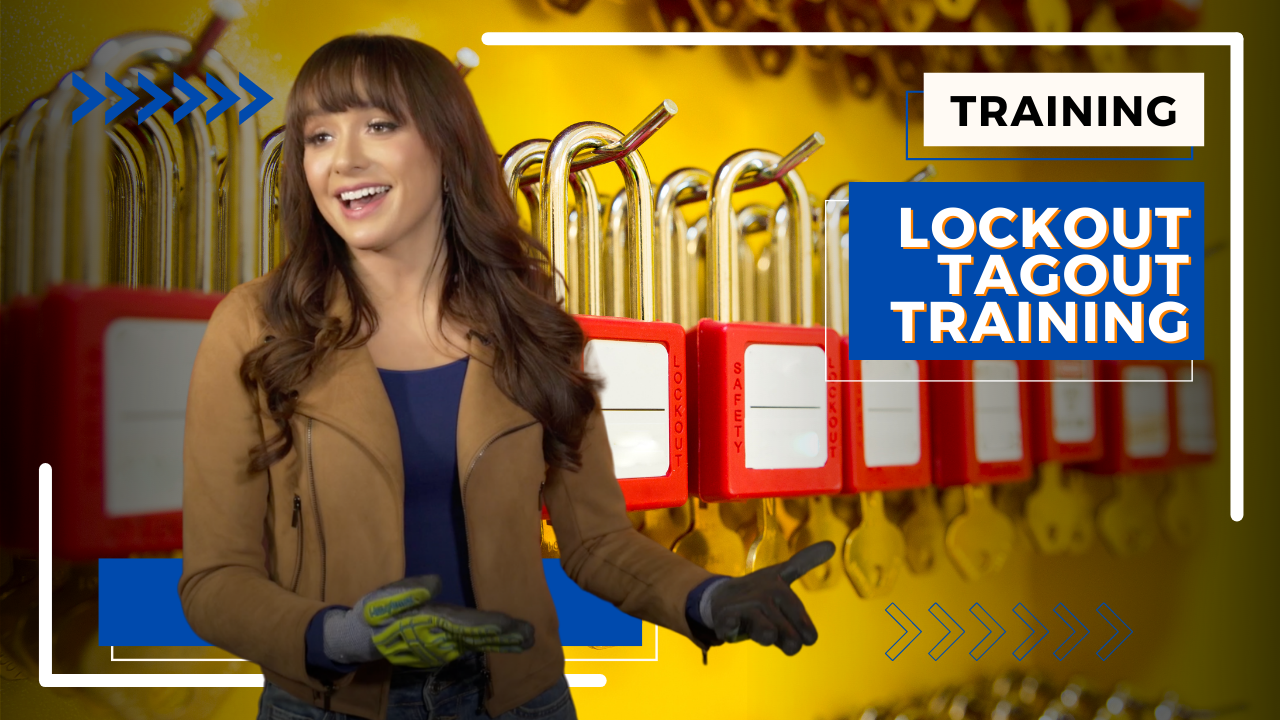
- One-time viewing: LOTO isn’t learned in a single session. Reinforce with short clips, posters, or safety meetings.
- Ignoring language barriers: If your workforce speaks multiple languages, provide subtitles or dubbed versions.
- Skipping verification: Never assume understanding. Use quick knowledge checks—like having employees demonstrate lock placement.
- Overloading content: A 30-minute video loses attention. Break training into 5–10 minute segments.
- No follow-up: Training without reinforcement is forgotten. Schedule unannounced audits to check real-world application.
One facility reduced improper lock removal by 80% simply by adding a 2-question quiz after their video and requiring supervisor sign-off.
How to Measure the Effectiveness of Your LOTO Video
Training isn’t successful because it was completed—it’s successful when behavior changes. Track:
- Audit scores: Compare pre- and post-training LOTO compliance during safety inspections.
- Near-miss reports: A drop in energy-related incidents signals better awareness.
- Employee feedback: Ask workers if the video clarified confusion or changed their routine.
- Completion rates: If only 40% finish the video, it’s likely too long or poorly scheduled.
- Retraining frequency: Fewer repeat violations mean knowledge is sticking.
One paper mill tied a 58% reduction in unauthorized energizations directly to their updated video program—proving ROI isn’t just about compliance, but operational safety.
Make LOTO Training Stick—Start
with Video, End with Action
Lockout tagout safety training videos aren’t just another HR requirement. They’re a strategic tool to prevent catastrophic injuries, align teams, and meet OSHA standards. But video alone isn’t enough. Pair it with hands-on practice, real-time feedback, and leadership engagement.
Choose content that mirrors your environment, deliver it at critical moments, and verify understanding. Whether you use a proven off-the-shelf program or film your own crew in action, the goal is the same: ensure no worker ever gets hurt because they didn’t know how—or why—to lock out a machine.
Start today: Audit your current LOTO training. Is it visual? Is it specific? Is it repeated? If not, it’s time to upgrade.
FAQ
What is the OSHA requirement for lockout tagout training? OSHA 29 CFR 1910.147 mandates that authorized employees receive LOTO training upon hire and annually thereafter, including periodic inspections and certification.
Can a video alone satisfy OSHA training requirements? No. Video must be paired with hands-on demonstration, knowledge verification, and certification to meet OSHA standards.
How often should LOTO training videos be updated? Review and update every 3–5 years or when equipment, processes, or personnel change significantly.
Who needs to watch a lockout tagout training video? All authorized employees (performing maintenance) and affected employees (operating equipment) must be trained.
What should a LOTO video include for compliance? It must cover energy control procedures, lock/tag application, verification of de-energization, and employee responsibilities.
Can we use animated LOTO training videos? Yes, if animations clearly depict real procedures and are supplemented with site-specific instruction.
How long should a LOTO safety training video be? Aim for 5–15 minutes per module. Shorter segments improve retention and fit into shift schedules.
FAQ
What should you look for in Lockout Tagout Safety Training Video Essentials? Focus on relevance, practical value, and how well the solution matches real user intent.
Is Lockout Tagout Safety Training Video Essentials suitable for beginners? That depends on the workflow, but a clear step-by-step approach usually makes it easier to start.
How do you compare options around Lockout Tagout Safety Training Video Essentials? Compare features, trust signals, limitations, pricing, and ease of implementation.
What mistakes should you avoid? Avoid generic choices, weak validation, and decisions based only on marketing claims.
What is the next best step? Shortlist the most relevant options, validate them quickly, and refine from real-world results.